Time Machine Select backup drive Start backup Alternatives: iCloud or manual backup You can also manually back up documents, photos, and settings, or use iCloud Drive. How to reset your Mac – step by step Depending on your Mac’s processor (Intel or Apple Silicon), the steps vary slightly. First, find out which chip your Mac has:  > “About This Mac.” Step 1: Start in macOS Recovery Mode For Apple Silicon (M1, M2, M3): Shut down Mac Press and hold the power button until “Options” appears “Options” > Continue For Intel-based Macs: Restart Mac Immediately hold down Command (⌘) + R until the Apple logo appearsAlternatively, OPTION + Command (⌘) + R - This loads the latest possible Mac OS X Step 2: Erase the hard drive In the menu: select Disk Utility Select your main hard drive (usually “Macintosh HD”) Click “Erase” at the top Format: APFS or Mac OS Extended (Journaled) (depending on macOS version) Confirm “Delete” Step 3: Reinstall macOS Close Disk Utility Select “Reinstall macOS” Follow the on-screen instructions Ensure an internet connection (Wi-Fi or Ethernet) Optional: Set up your Mac after reinstalling After reinstalling, you can: Set up your Mac as a new device Transfer data from the Time Machine backup or from another Mac Set up Apple ID and iCloud Reinstall your apps Tips for a clean start First, use the Mac without a backup to diagnose the issue Only install apps you really need Regularly check for software updates Enable Gatekeeper protection for added security FAQ – Frequently Asked Questions about resetting your Mac What happens when you reinstall macOS? All data, apps, and settings will be erased. The Mac will be reset to factory settings. Can I reinstall macOS without Internet? No, you need an active internet connection to re-download macOS. Which macOS version will be installed? By default, the current compatible version will be installed. You can also select older versions using certain key combinations (e.g., Shift + Option + Command + R at startup). Conclusion: Set up your Mac from scratch for better performance and security. No matter if you have a MacBook, iMac, Mac Studio, or Mac Pro – resetting is the best way to fix problems and give your Mac a fresh start. Make sure to back up and follow the steps carefully. Your Mac will be running like new in no time!"> Time Machine Select backup drive Start backup Alternatives: iCloud or manual backup You can also manually back up documents, photos, and settings, or use iCloud Drive. How to reset your Mac – step by step Depending on your Mac’s processor (Intel or Apple Silicon), the steps vary slightly. First, find out which chip your Mac has:  > “About This Mac.” Step 1: Start in macOS Recovery Mode For Apple Silicon (M1, M2, M3): Shut down Mac Press and hold the power button until “Options” appears “Options” > Continue For Intel-based Macs: Restart Mac Immediately hold down Command (⌘) + R until the Apple logo appearsAlternatively, OPTION + Command (⌘) + R - This loads the latest possible Mac OS X Step 2: Erase the hard drive In the menu: select Disk Utility Select your main hard drive (usually “Macintosh HD”) Click “Erase” at the top Format: APFS or Mac OS Extended (Journaled) (depending on macOS version) Confirm “Delete” Step 3: Reinstall macOS Close Disk Utility Select “Reinstall macOS” Follow the on-screen instructions Ensure an internet connection (Wi-Fi or Ethernet) Optional: Set up your Mac after reinstalling After reinstalling, you can: Set up your Mac as a new device Transfer data from the Time Machine backup or from another Mac Set up Apple ID and iCloud Reinstall your apps Tips for a clean start First, use the Mac without a backup to diagnose the issue Only install apps you really need Regularly check for software updates Enable Gatekeeper protection for added security FAQ – Frequently Asked Questions about resetting your Mac What happens when you reinstall macOS? All data, apps, and settings will be erased. The Mac will be reset to factory settings. Can I reinstall macOS without Internet? No, you need an active internet connection to re-download macOS. Which macOS version will be installed? By default, the current compatible version will be installed. You can also select older versions using certain key combinations (e.g., Shift + Option + Command + R at startup). Conclusion: Set up your Mac from scratch for better performance and security. No matter if you have a MacBook, iMac, Mac Studio, or Mac Pro – resetting is the best way to fix problems and give your Mac a fresh start. Make sure to back up and follow the steps carefully. Your Mac will be running like new in no time!">

Free shipping across the EU - 12 months warranty

Resetting your Mac: Step-by-step guide for all Apple devices (MacBook, iMac, Mac mini & more)

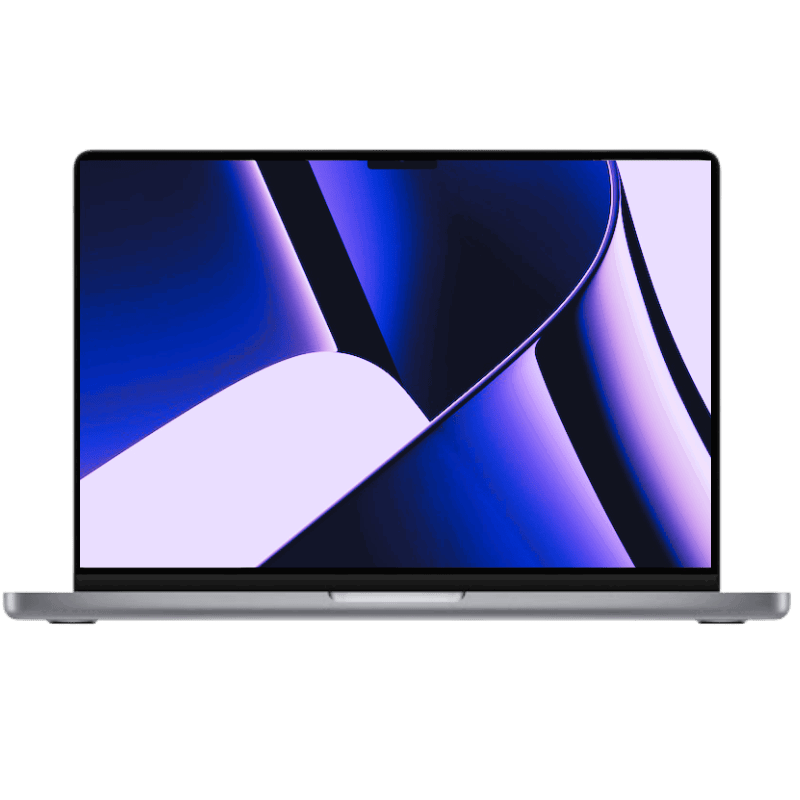
If your Mac is running slowly, acting up, or you're looking to sell it, a restart or resetting your Mac could be the perfect solution. In this guide, I'll show you step by step how to reset your Mac—no matter if you have a MacBook Air, MacBook Pro, iMac, Mac mini, Mac Studio, or Mac Pro.


When should you reset your Mac?

  • Your Mac has become extremely slow

  • You want to do a clean install of macOS

  • You're selling or giving away your Mac

  • You want to erase all data and start fresh


Supported Mac models

This guide works for all current and many older models:

  • MacBook Air (all generations)

  • MacBook Pro (13", 14", 15", 16")

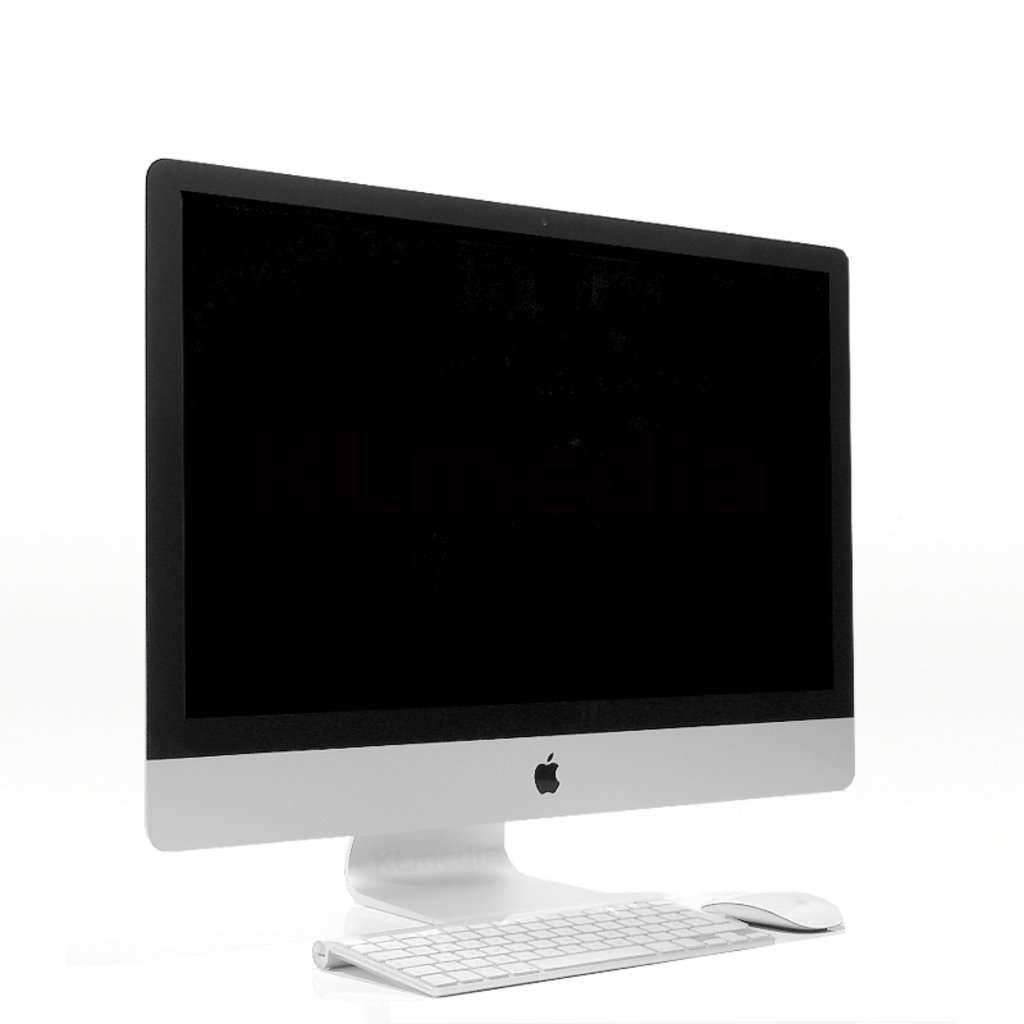
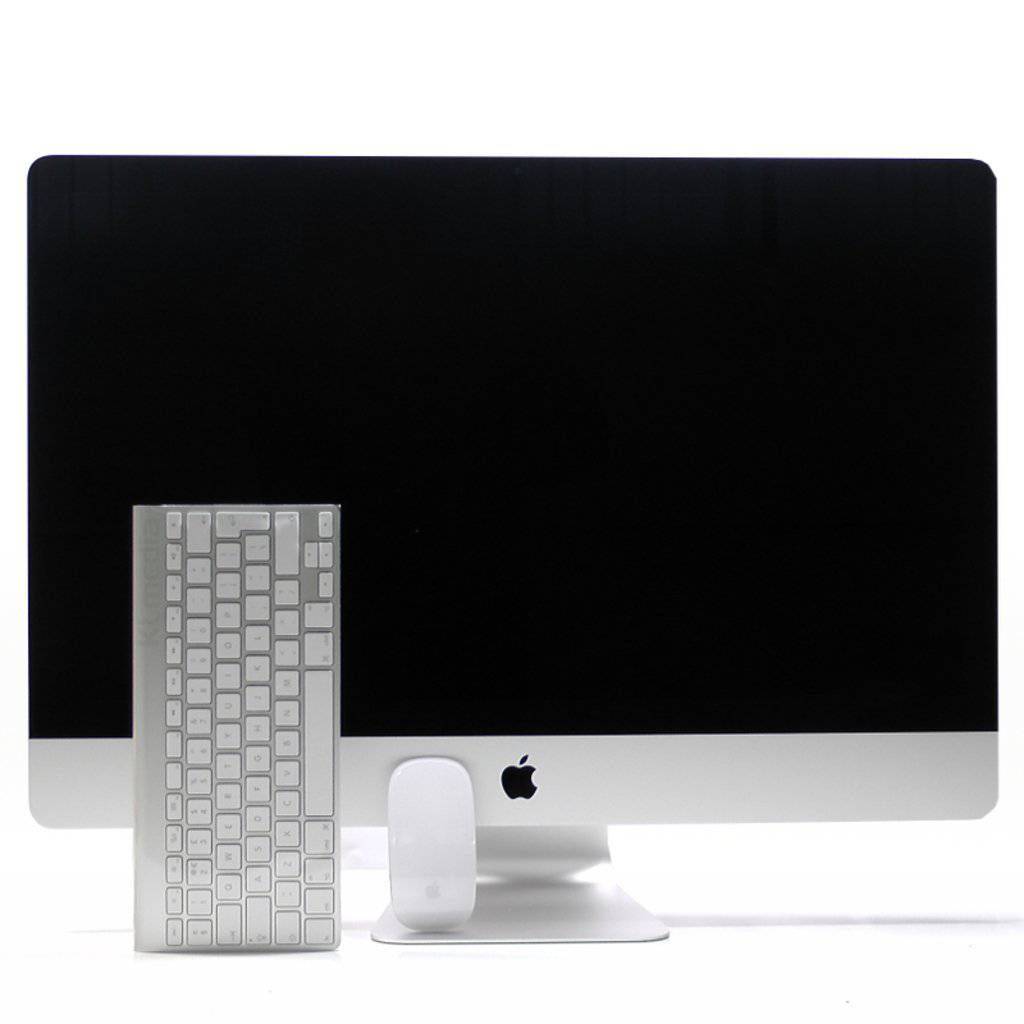
  • iMac (21.5", 24", 27")

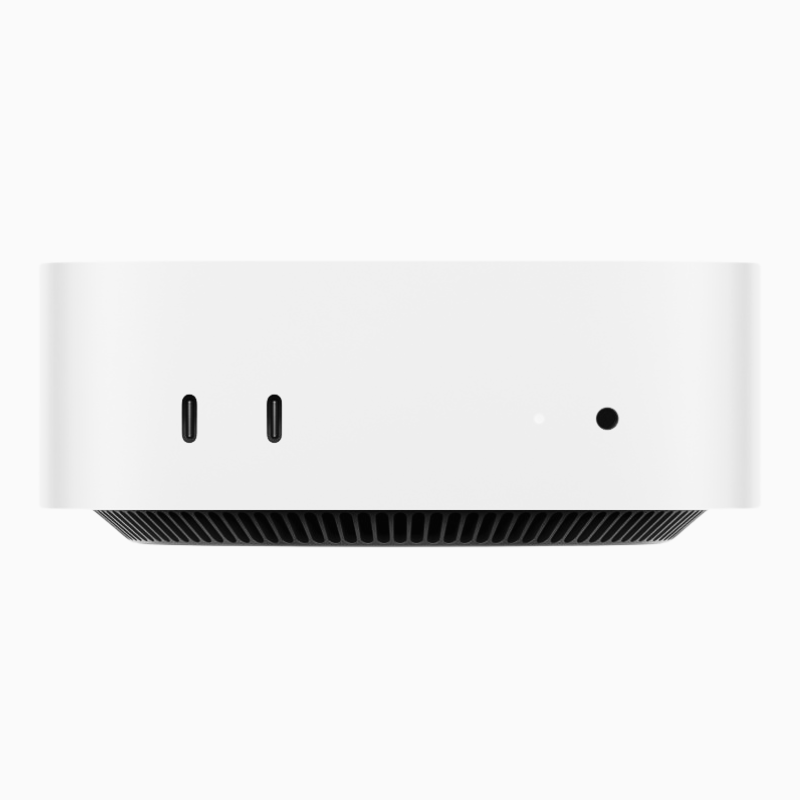
  • Mac mini

  • Mac Studio

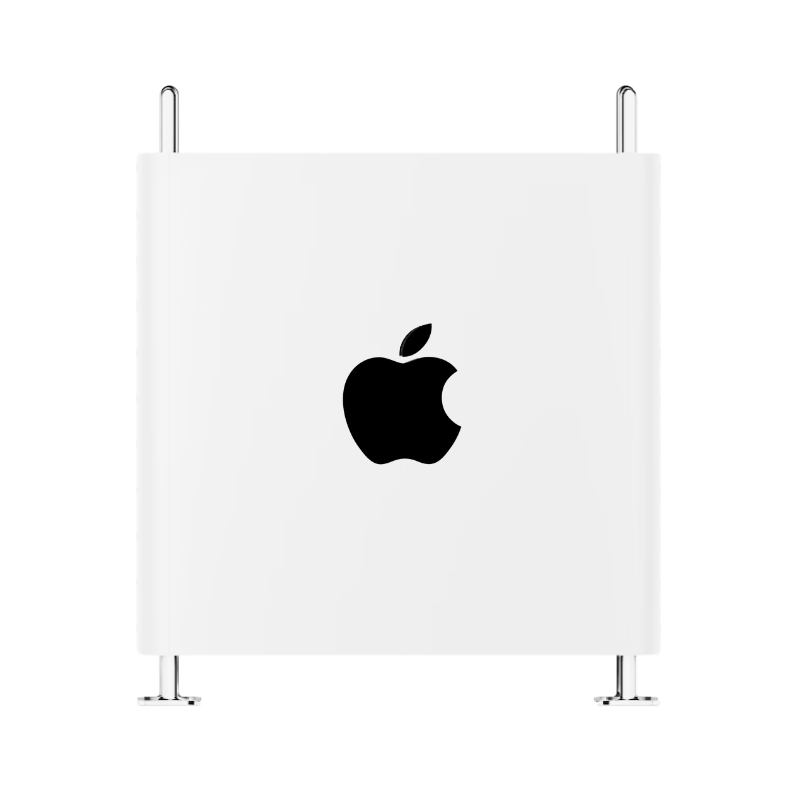
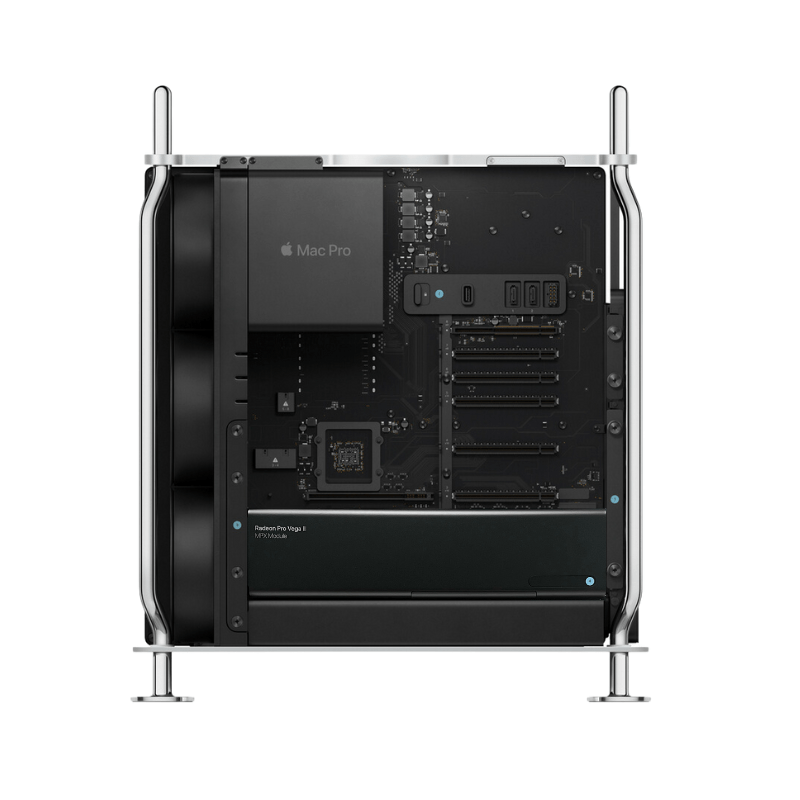
  • Mac Pro (tower or rack model)

  • Apple Silicon Macs (M1, M2, M3, M4 chip)

  • Intel-based Macs


Preparation: Create a backup

Before you reset your Mac, be sure to make a backup. That way, you won’t lose any important data.

 Backup with Time Machine

  1. Connect external hard drive

  2. Open System Preferences > Time Machine

  3. Select backup drive

  4. Start backup

Alternatives: iCloud or manual backup

You can also manually back up documents, photos, and settings, or use iCloud Drive.


How to reset your Mac – step by step

Depending on your Mac’s processor (Intel or Apple Silicon), the steps vary slightly. First, find out which chip your Mac has:  > “About This Mac.”


Step 1: Start in macOS Recovery Mode

For Apple Silicon (M1, M2, M3):

  1. Shut down Mac

  2. Press and hold the power button until “Options” appears

  3. “Options” > Continue

For Intel-based Macs:

  1. Restart Mac

  2. Immediately hold down Command (⌘) + R until the Apple logo appears
    Alternatively, OPTION + Command (⌘) + R - This loads the latest possible Mac OS X


Step 2: Erase the hard drive

  1. In the menu: select Disk Utility

  2. Select your main hard drive (usually “Macintosh HD”)

  3. Click “Erase” at the top

  4. Format: APFS or Mac OS Extended (Journaled) (depending on macOS version)

  5. Confirm “Delete”


Step 3: Reinstall macOS

  1. Close Disk Utility

  2. Select “Reinstall macOS”

  3. Follow the on-screen instructions

  4. Ensure an internet connection (Wi-Fi or Ethernet)


Optional: Set up your Mac after reinstalling

After reinstalling, you can:

  • Set up your Mac as a new device

  • Transfer data from the Time Machine backup or from another Mac

  • Set up Apple ID and iCloud

  • Reinstall your apps


Tips for a clean start

  • First, use the Mac without a backup to diagnose the issue

  • Only install apps you really need

  • Regularly check for software updates

  • Enable Gatekeeper protection for added security

FAQ – Frequently Asked Questions about resetting your Mac

What happens when you reinstall macOS?

All data, apps, and settings will be erased. The Mac will be reset to factory settings.

Can I reinstall macOS without Internet?

No, you need an active internet connection to re-download macOS.

Which macOS version will be installed?

By default, the current compatible version will be installed. You can also select older versions using certain key combinations (e.g., Shift + Option + Command + R at startup).


Conclusion: Set up your Mac from scratch for better performance and security.

No matter if you have a MacBook, iMac, Mac Studio, or Mac Pro – resetting is the best way to fix problems and give your Mac a fresh start. Make sure to back up and follow the steps carefully. Your Mac will be running like new in no time!
Kostenloser Versand Innerhalb der EU
12 Monate Garantie Refurbished vom Fachmann
Sichere Zahlarten Bedenkenlos einkaufen
Top Bewertungen 5 von 5 Sternen