

Do you want to reinstall your Mac from scratch, sell it or install macOS completely afresh? With current Macs, this is now much easier than it used to be. Macs with Apple chips can be reset to factory settings directly through macOS, without Disk Utility or a subsequent manual reinstallation of macOS.
In this guide, we show you the various options for MacBook Air, MacBook Pro, iMac, Mac mini, Mac Studio and Mac Pro – both current Macs with Apple chips and older Intel models.
The most important change on current Macs:
If you have a Mac with an Apple chip and a current macOS version, you can normally simply use System Settings → General → Transfer or Reset → Erase All Content & Settings. A traditional clean install is no longer necessary for a normal factory reset.
Reset a Mac, reinstall macOS or perform a clean install?
These terms are often mixed together. In fact, they describe three different options.
Reset a Mac
Personal data, apps and settings are removed. The installed macOS remains. Ideal before selling or passing it on.
Reinstall macOS
macOS is installed again through Recovery. Personal files and settings can be retained.
Clean Install
The internal SSD or volume group is erased, then macOS is completely reinstalled.
Which method should you use?
| Situation | Recommended method |
|---|---|
| Sell or pass on a current Mac | Erase All Content & Settings |
| Set up a Mac completely afresh | Erase All Content & Settings |
| Damaged macOS or system problems | Reinstall macOS through Recovery |
| Completely erase an older Intel Mac | Recovery + Disk Utility |
| Deliberately erase the entire SSD | Traditional clean install |
Before resetting: do not forget a backup
Before erasing your Mac, you should back up important data. The easiest way is with Time Machine is often sufficient.
- Connect an external SSD or hard drive to your Mac.
- System Settings — open.
- General → Time Machine — select.
- Add a backup drive.
- Let the backup complete fully.
Alternatively, you can manually copy important documents, pictures and other files to an external SSD or sync them through iCloud.
Method 1: reset a current Mac directly through macOS
On a current Mac, this is the best and easiest method in most cases.
The Erase Assistant removes your personal data, user accounts, apps and settings and returns the Mac to a state where it can be set up again.
Reset a Mac with macOS Ventura, Sonoma, Sequoia or Tahoe
- Open the Apple menu is often sufficient.
- Choose System Settings is often sufficient.
- Click General is often sufficient.
- Choose Transfer or Reset is often sufficient.
- Click Erase All Content & Settings is often sufficient.
Erase Assistant then starts. Depending on your configuration, you need to enter your administrator password and possibly your Apple Account credentials.
macOS then shows you again which data will be removed. Confirm the process and let the Mac perform the reset.
The major advantage:
macOS itself does not need to be downloaded and installed again afterwards. After resetting, the Mac starts directly with Setup Assistant.
Which Macs support “Erase All Content & Settings”?
Erase Assistant can be used on the following Macs, provided macOS Monterey 12 or later is installed:
- Macs with Apple chips
- Intel Macs with the Apple T2 Security Chip
These include, in particular, current generations of MacBook Air, MacBook Pro, iMac, Mac mini, Mac Studio and Mac Pro.
Apple Silicon: M1, M2, M3, M4 and later
On Macs with Apple chips, such as M1, M2, M3 or M4, you should first check whether Erase Assistant is available for a normal factory reset.
Examples include:
- MacBook Air with an Apple chip
- MacBook Pro 14" and 16"
- iMac with an Apple chip
- Mac mini M1 to M4
- Mac Studio
- Mac Pro with an Apple chip
The previously common procedure using Disk Utility is generally no longer necessary for a normal reset of these devices.
Selling or giving away a Mac: what should you consider?
If you want to sell your Mac or pass it on to someone else, Erase Assistant is particularly practical on compatible devices.
When the process finishes, macOS Setup Assistant appears.
Important when selling: Do not set up the Mac again with your own Apple Account now. Once the setup screen appears, you can turn off the Mac. The new owner will then perform setup themselves.
Method 2: reinstall macOS without erasing the Mac first
You do not always have to completely reset your Mac. For damaged system files, startup problems or other macOS errors, a reinstallation of macOS through macOS Recovery is often sufficient.
You can reinstall macOS without erasing the internal SSD first. Personal files and user settings can be retained.
Nevertheless: Before repairing a system, you should always create a backup whenever possible.
Start an Apple Silicon Mac in Recovery
On a Mac with an Apple chip, starting Recovery works differently from older Intel Macs.
- Turn off the Mac completely.
- The power button must be held down is often sufficient.
- Keep holding the button until startup options appear.
- Options.
- Click Continue.
The Mac now starts in macOS Recovery.
Reinstall macOS on an M1, M2, M3 or M4 Mac
In macOS Recovery:
- Reinstall macOS.
- Click Continue.
- Follow the instructions on screen.
- As the destination volume, normally select Macintosh HD.
An internet connection is required to download and install macOS.
Good to know: If you simply select “Reinstall macOS” without erasing the internal SSD first, your personal data is not automatically removed.
Start an Intel Mac in macOS Recovery
Various keyboard shortcuts are available on older Macs with Intel processors.
Command (⌘) + R
Start your Mac and immediately hold down Command (⌘) + R. This starts local macOS Recovery.
Option (⌥) + Command (⌘) + R
With Option (⌥) + Command (⌘) + R, you start Internet Recovery. This normally offers the latest macOS version compatible with your Mac.
Shift (⇧) + Option (⌥) + Command (⌘) + R
On compatible Intel Macs, this keyboard shortcut may offer the macOS version originally supplied with the Mac, or the closest version still available.
Method 3: traditional clean installation of macOS
If you really want to erase all data on the startup volume and then completely reinstall macOS, you can perform a traditional clean install.
This method is suitable, for example, for older Macs where Erase Assistant is unavailable, or if you deliberately want to set up the internal startup volume completely afresh.
Caution: The following steps erase the data on the selected volume. Be sure to create a backup first.
Step 1: start macOS Recovery
Start your Mac in macOS Recovery following the instructions above.
Step 2: open Disk Utility
- Choose Disk Utility is often sufficient.
- Click Continue is often sufficient.
- Select the internal startup volume, normally Macintosh HD is often sufficient.
Step 3: erase the startup volume
In current macOS versions, the startup volume normally uses the APFS file system.
- Macintosh HD — select.
- Click Erase.
- For the name, use, for example, Macintosh HD.
- For the format, choose APFS.
- If offered, select Erase Volume Group.
Step 4: reinstall macOS
After erasing:
- Close Disk Utility.
- Reinstall macOS.
- Click Continue.
- Macintosh HD — select as the installation destination.
- Let installation complete.
The Mac downloads macOS and then installs a fresh operating system.
Reset MacBook Pro and MacBook Air
On current MacBook Air and MacBook Pro models with Apple chips, Erase Assistant is normally the easiest method.
Use:
System Settings → General → Transfer or Reset → Erase All Content & Settings
If you only want to repair macOS, you can turn off the MacBook, hold down the power button or Touch ID button, then start macOS Recovery.
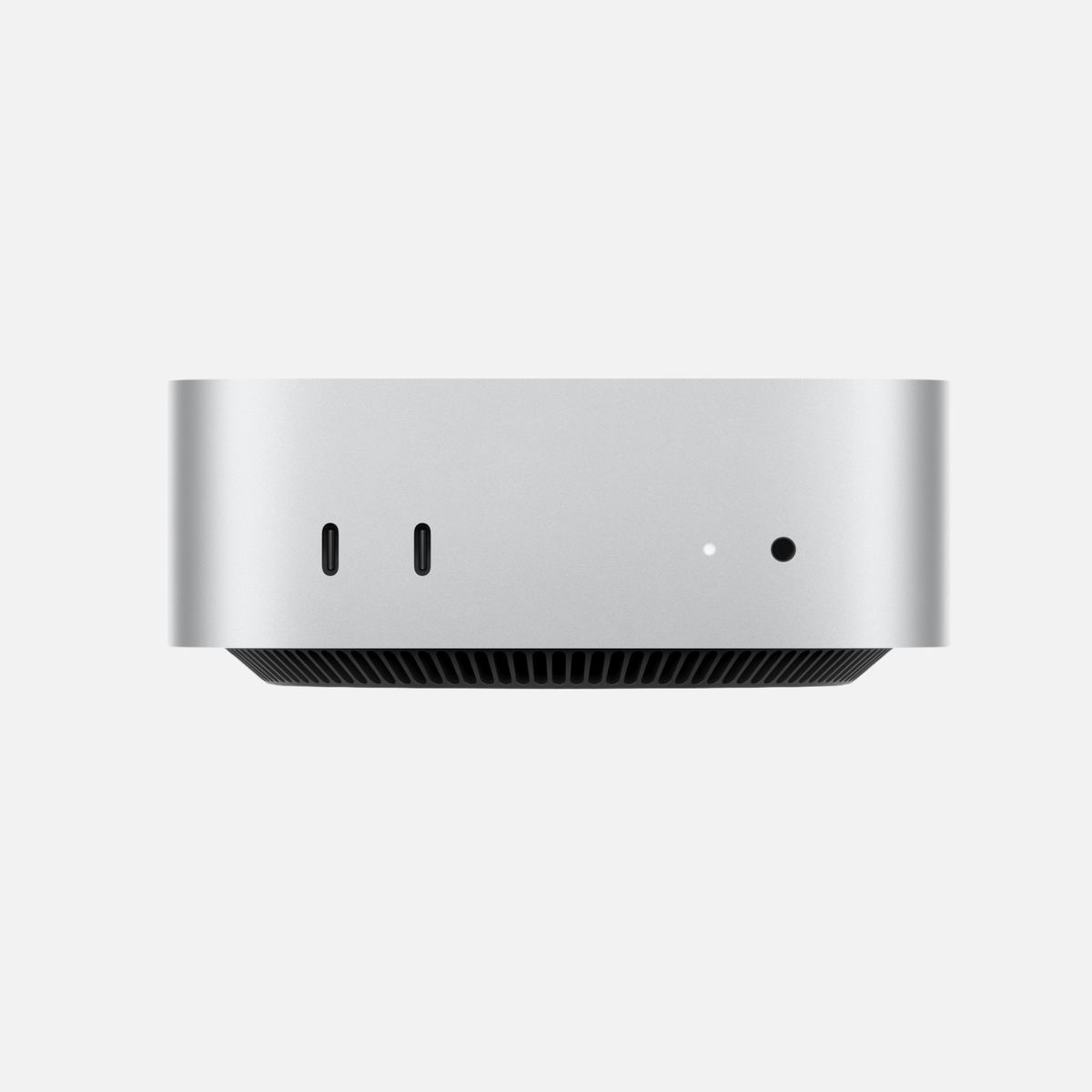
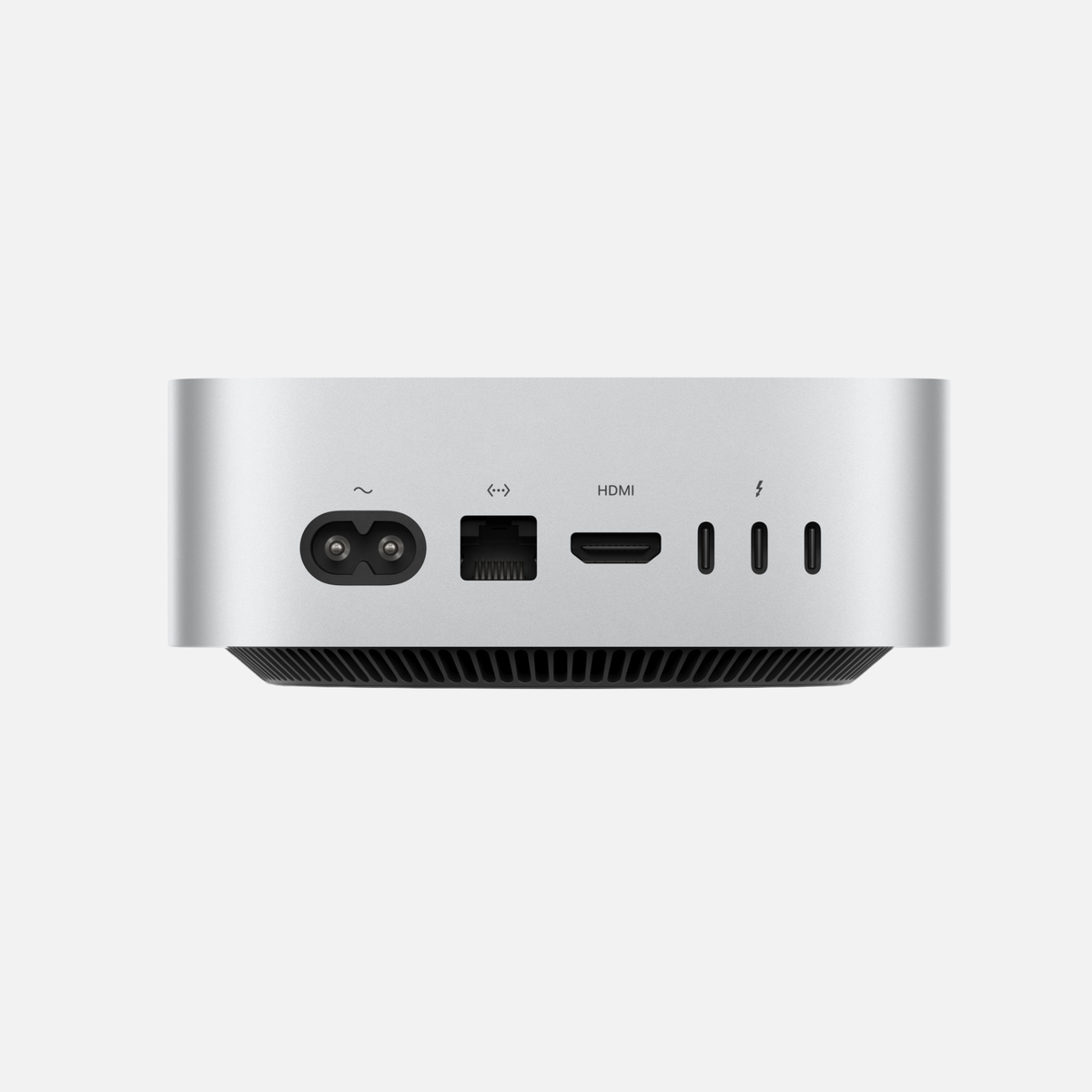
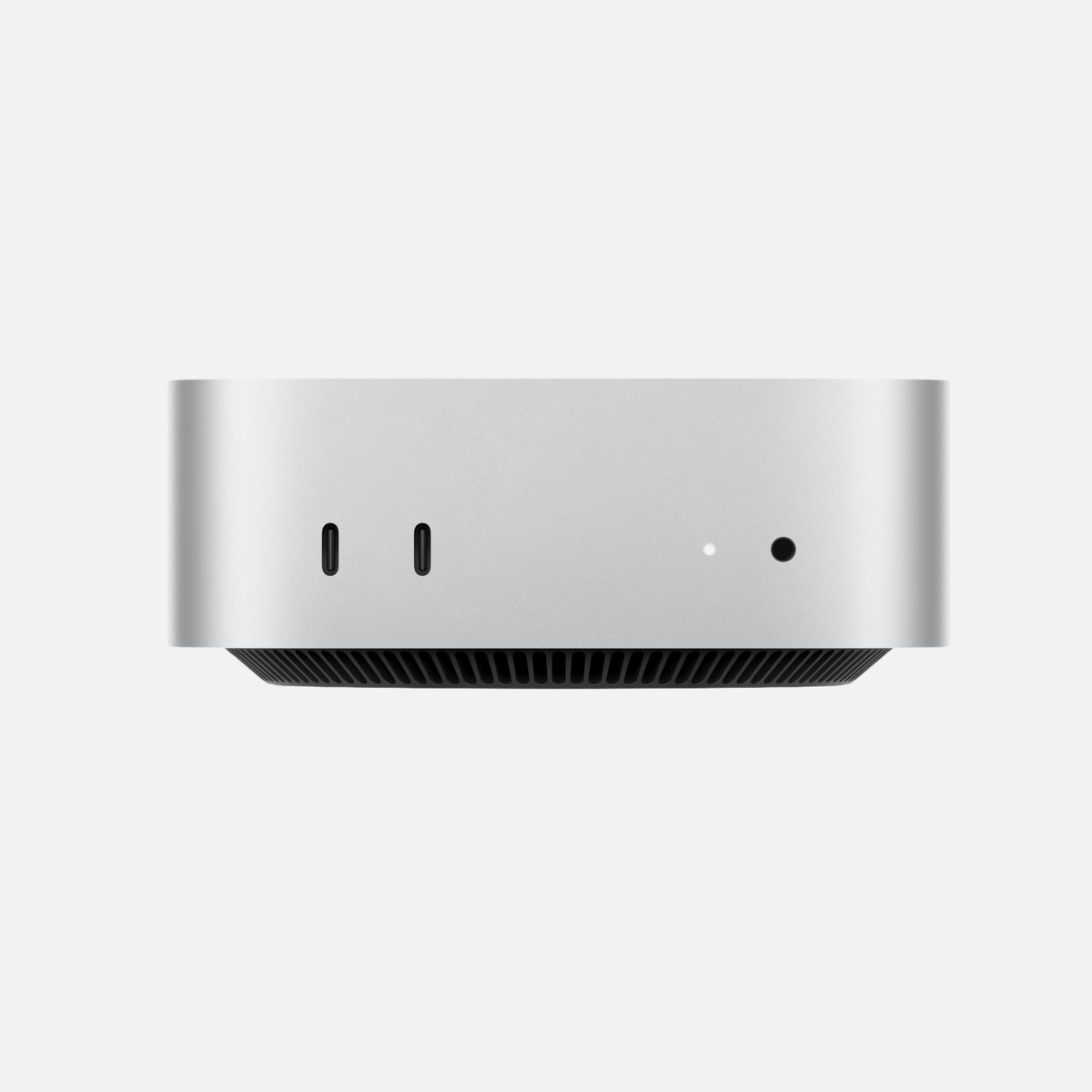
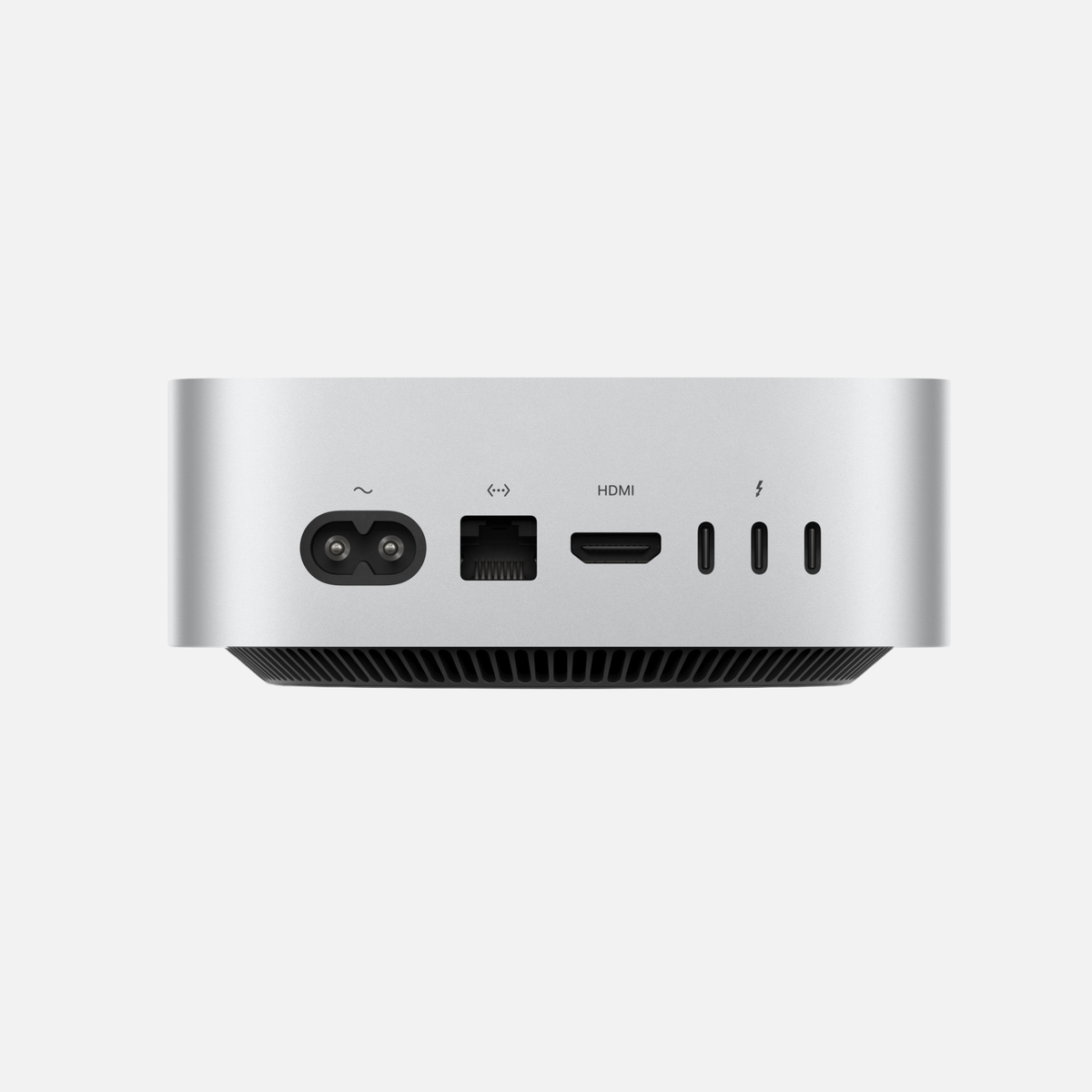
Reset a Mac mini
On a Mac mini with an Apple chip, such as Mac mini M1, M2, M2 Pro, M4 or M4 Pro, you can also conveniently reset the Mac through System Settings.
Manually erasing the SSD using Disk Utility is not required for a normal factory reset.
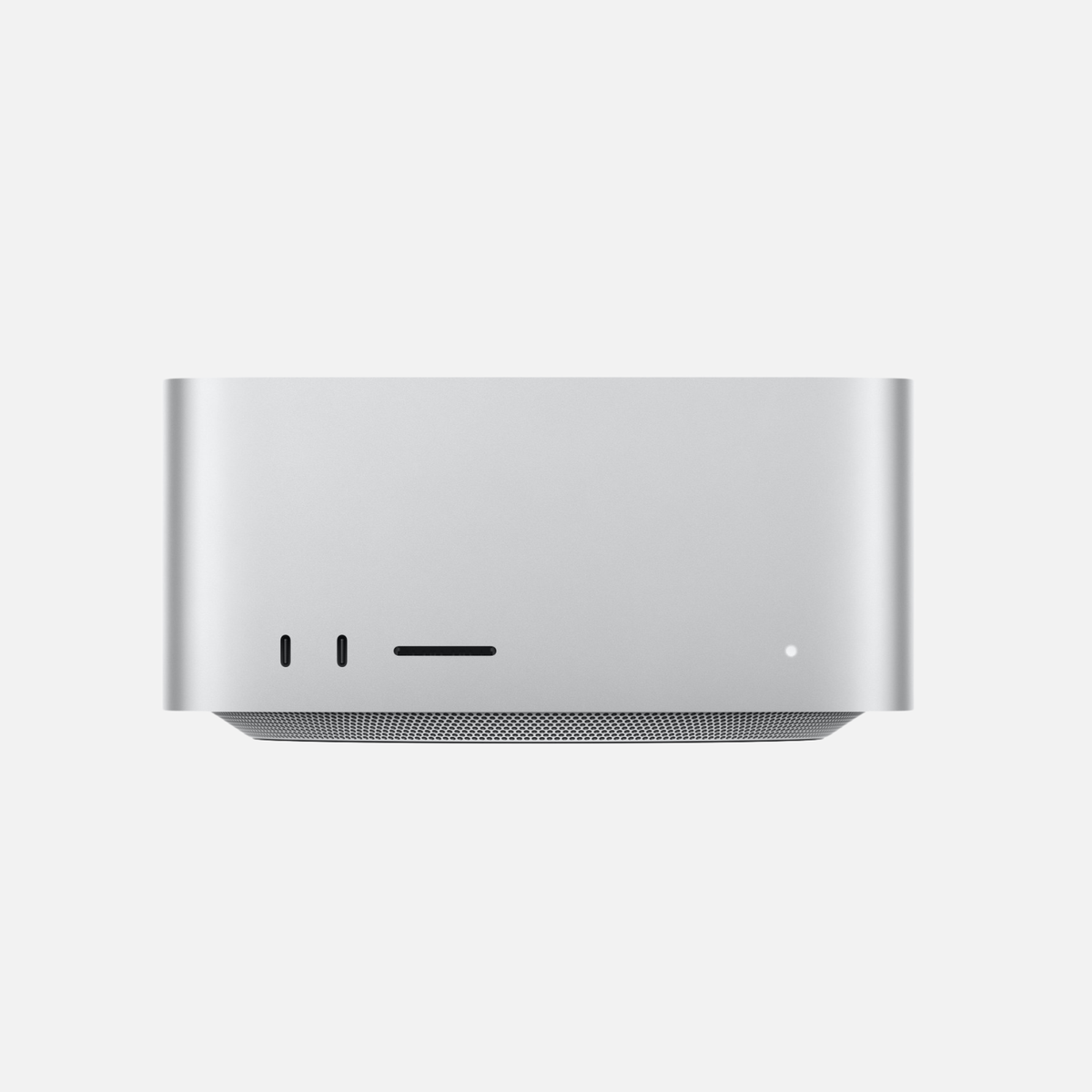
Reset a Mac Studio
Resetting works the same way on a Mac Studio with an Apple chip. For selling or setting it up completely afresh, you should first use Erase Assistant.
For a system repair, you can instead hold down the power button to access startup options and then macOS Recovery.
Reset an iMac
On current iMac models with Apple chips, you can also use “Erase All Content & Settings”.
On older Intel iMacs, the procedure depends on whether a T2 Security Chip is present and which macOS version is installed. If Erase Assistant is unavailable, you can erase and reinstall the iMac through traditional macOS Recovery.
After resetting: set up the Mac again
After a complete reset, the Mac starts with Setup Assistant. You can now:
- set it up as a new Mac,
- connect it to your Apple Account,
- restore data from a Time Machine backup,
- transfer data from another Mac or
- initially use it completely afresh.
If there are problems, test without a backup first
If you reinstalled the Mac because of crashes, unusually poor performance or other software problems, you should initially set it up as a new Mac for testing.
If you immediately restore a complete old backup, faulty settings, background programs or other problematic files may also be restored.
Therefore, install only the most important applications first and check whether the original issue still occurs.
Reinstalling a Mac from scratch: frequently asked questions
How can I reset a current Mac to factory settings?
On a compatible Mac with a current macOS version, open:
→ System Settings → General → Transfer or Reset → Erase All Content & Settings
Do I have to erase the SSD on an M1, M2, M3 or M4 Mac?
Normally not for a regular factory reset. Use the built-in Erase Assistant. Manual erasing through Disk Utility is mainly relevant for a traditional clean install.
Is macOS erased when resetting?
When resetting through “Erase All Content & Settings”, your personal content, apps and settings are removed. The installed macOS remains.
Are my files erased when reinstalling macOS?
Not automatically. If you simply select “Reinstall macOS” in macOS Recovery, macOS can be reinstalled without erasing your personal files and user settings.
However, if you erase Macintosh HD or the volume group in Disk Utility first, the data stored there is lost.
Do I need an internet connection for reinstallation?
To reinstall macOS through Recovery, you should have a working internet connection available. Wi-Fi or Ethernet can be used for this.
Which macOS version is installed?
The version offered depends on the Mac model and how macOS Recovery was started. After installation, you should check under System Settings → General → Software Update whether a newer compatible version is available.
Is a clean install still necessary today?
Usually not for a normal factory reset of a current Mac. Erase Assistant is much simpler and was designed for precisely this purpose.
A traditional clean install can still make sense if Erase Assistant is unavailable or if you deliberately want to erase the entire startup volume and then reinstall macOS.
Conclusion: resetting a current Mac is much easier today
Where a Mac previously usually had to be completely erased through macOS Recovery and Disk Utility, the process is considerably easier on current Macs.
On a compatible Mac with an Apple chip, this is normally enough:
System Settings → General → Transfer or Reset → Erase All Content & Settings
If you simply want to repair macOS, you can reinstall the operating system through macOS Recovery. A traditional clean install with Disk Utility remains mainly relevant for older Macs and special use cases.
Looking for a suitable Mac?
At mac-store24.com, you will find current Apple Macs used and refurbished, from the compact Mac mini through MacBook Pro and iMac to the powerful Mac Studio.






Share:
Welcome to our blog
Keyboard commands on the Mac / Shortcuts Part 1 System Startup.