

Updated 13 October 2026 · Reading time: about 6 minutes
Does your Mac type a different symbol from the one printed on the key? Or do you want to switch between an English keyboard and another language? Start with the input source: the software layout that determines what each key types. Here is how to select a suitable English layout and switch languages.
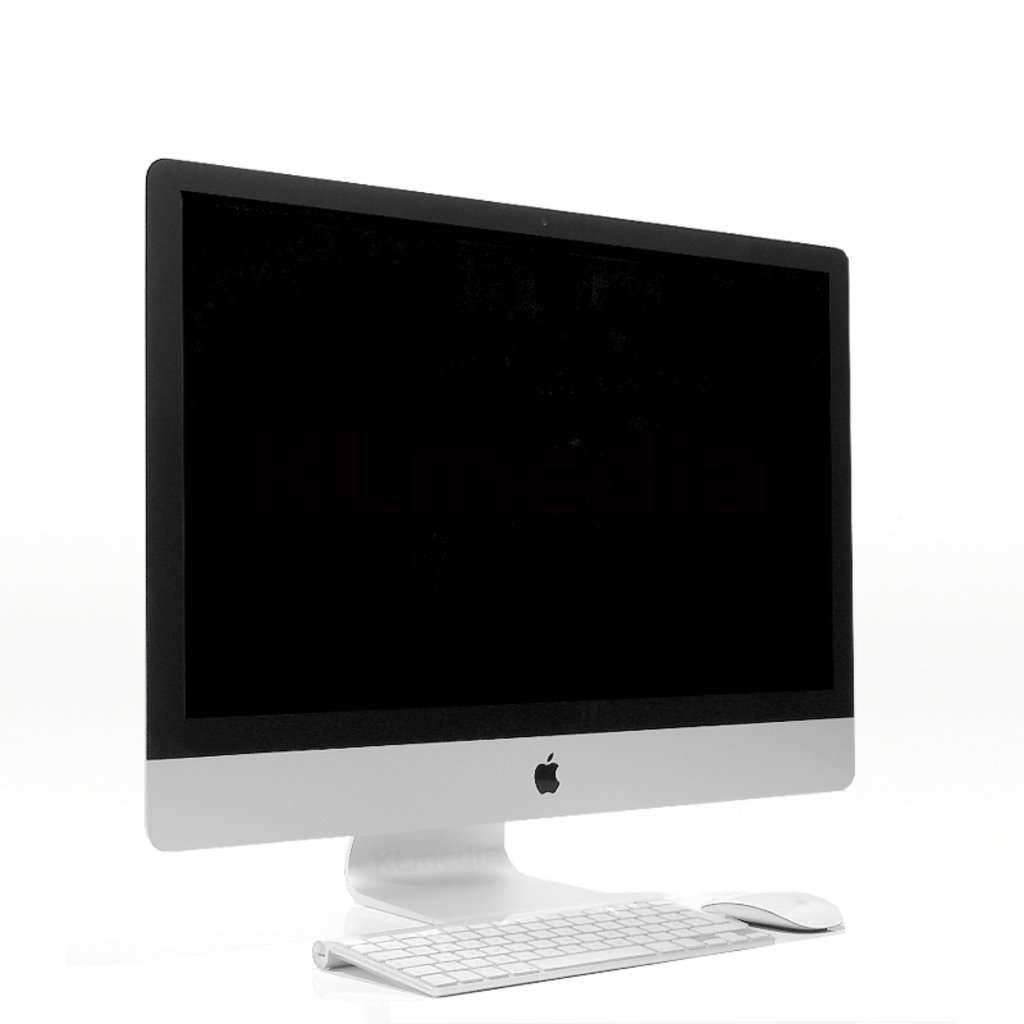
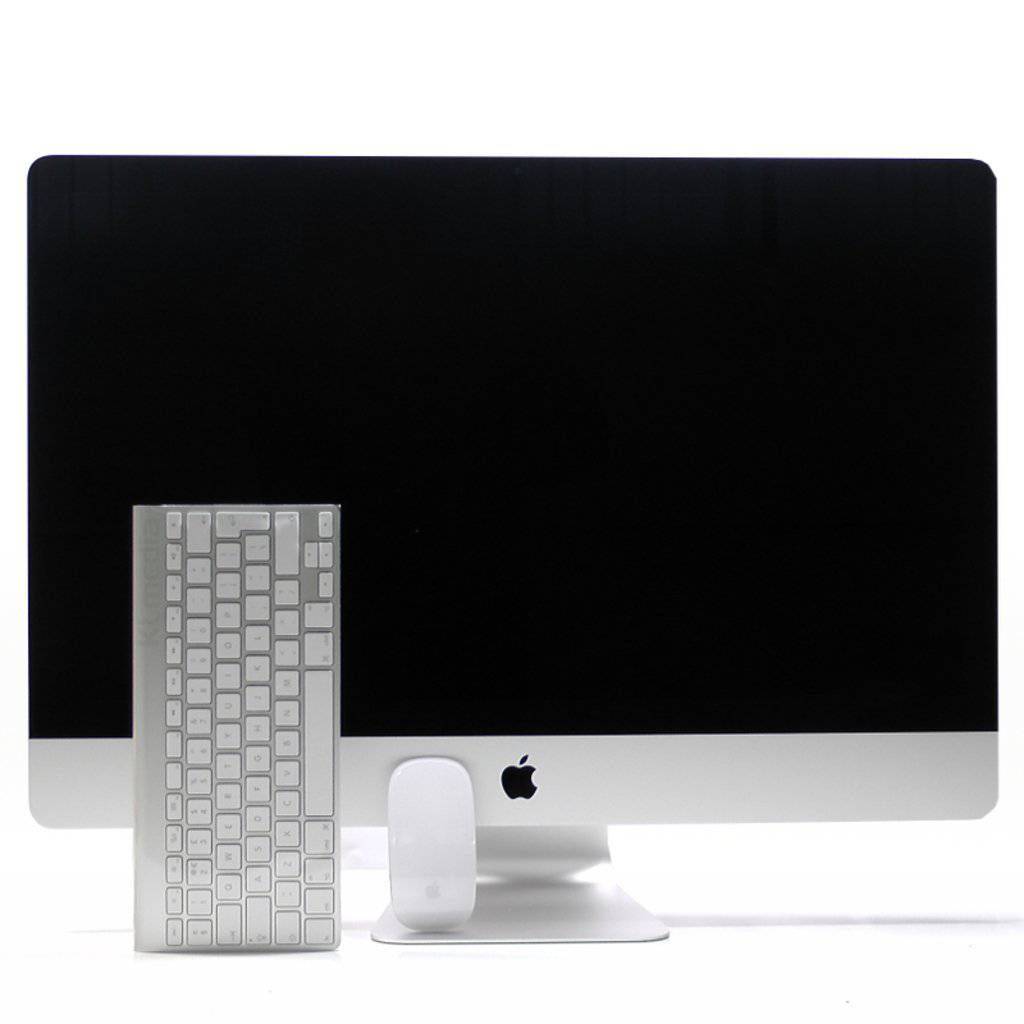
The steps apply to a MacBook and to an iMac, Mac mini or Mac Studio with an external keyboard. They are particularly useful when setting up a Mac bought abroad. Keyboard layout, interface language and physical key labels are separate things.
Change the keyboard language step by step
In recent macOS versions using the System Settings interface introduced with Ventura:
- Open the Apple menu → System Settings.
- Select Keyboard in the sidebar.
- Under Text Input, choose Edit.
- Click +, search for your language and select a suitable input source.
- Click Add, then close the settings dialogue when finished.
- Choose the new source from the Input menu in the menu bar.
In a blank document, test Y, Z, @, #, quotation marks and, for a UK keyboard, £. Use the result to check the chosen layout against your actual keyboard.
Keyboard layout, system language and spelling
Choose the setting according to what you want to change. Input sources control characters; system language controls the interface; spelling settings control corrections.
| What you want to change | Relevant setting |
|---|---|
| Characters produced by the keys | Keyboard → Text Input → Input Sources |
| Language of menus and settings | General → Language & Region → Preferred Languages |
| Language used for spelling checks | Keyboard → Text Input → Edit → Spelling |
Changing the input source does not translate documents or automatically change the whole Mac interface. To change the system language, move the preferred language to the top of the list; macOS may ask you to restart.
Switch input languages with shortcuts
Once several input sources are configured, these standard shortcuts let you switch without reopening settings:
| Shortcut | Action |
|---|---|
| Control (⌃) + Space | Switch to the last input source you used |
| Control (⌃) + Option (⌥) + Space | Select the next input source |
| Fn / 🌐 | Change input source, if configured |
Control (⌃) is not Command (⌘). If a shortcut does not work, check Keyboard → Keyboard Shortcuts → Input Sources. It may have been disabled, changed or assigned to a different action in an app.
You can also configure the Fn or Globe key in Keyboard settings by choosing Change Input Source for that key.
Choose the right English layout
There is no single English layout that suits every English keyboard. A British keyboard and a US keyboard can place symbols differently. Choose the source that matches the printed keys and compare its preview.
A US-style keyboard may work best with the corresponding US or ABC layout; for a UK keyboard, check the British layout. Do not choose solely by interface language: compare @, #, quotation marks and £ with your hardware.
To remove an unused source, select it in the input-source list and click −. Test the layout you intend to keep before removing alternatives.
Find symbols with Keyboard Viewer
Keyboard Viewer shows what the active layout produces. It is useful for locating symbols and for occasional accented characters in names or foreign words.
- Open the Input menu in the menu bar.
- Choose Show Keyboard Viewer.
- Hold Option (⌥), Shift (⇧) or both to see additional characters.
If the Input menu is missing, enable its display in the menu bar from the input-source settings. Use the viewer rather than assuming that a shortcut for a different keyboard will work.
Steps for older macOS versions
In macOS Monterey and many earlier versions, use System Preferences → Keyboard → Input Sources. Add a source with + and select it from the Input menu.
If the settings look different, search for “Keyboard” or “Input Sources”. Their position and wording depend on your macOS version.
Common problems and fixes
Symbols do not match the printed keys
Check the active input source in the menu bar. Having a British or US source installed is not enough: select it, then repeat your test.
The layout changes when you open a document
Check the option to switch automatically to a document’s input source. Turn it off if you prefer manual control, and check for accidental shortcut or Globe-key presses.
Typing works, but spelling corrections are wrong
Select the appropriate spelling language or automatic detection. Some apps have their own correction-language settings, separate from macOS.
Only one app behaves incorrectly
Compare the same text in TextEdit and a browser. If it works in one, look for a conflicting shortcut or preference in the other.
Frequently asked questions
Do I need to restart?
Usually not when changing the active keyboard layout. Changing the system language is separate and may require a restart.
Can I keep more than one keyboard language?
Yes. Add several sources and switch as needed. One source is active at a time while you type.
Will a foreign keyboard become a UK or US keyboard?
Only its software mapping changes. Labels and physical construction remain unchanged.
Do I need an extra app?
Not for the input sources supplied by macOS. They are available in settings.
Does changing layout fix autocorrect?
Not necessarily. Check the spelling language and the app’s correction settings separately.
Final advice and more Mac tips
When your Mac types unexpected symbols, check the input source before assuming the keyboard is faulty. Select a layout that suits the hardware, test the characters you use and use shortcuts for multilingual work.


Share:
Which Apple Watch is best in 2026? The best models compared