
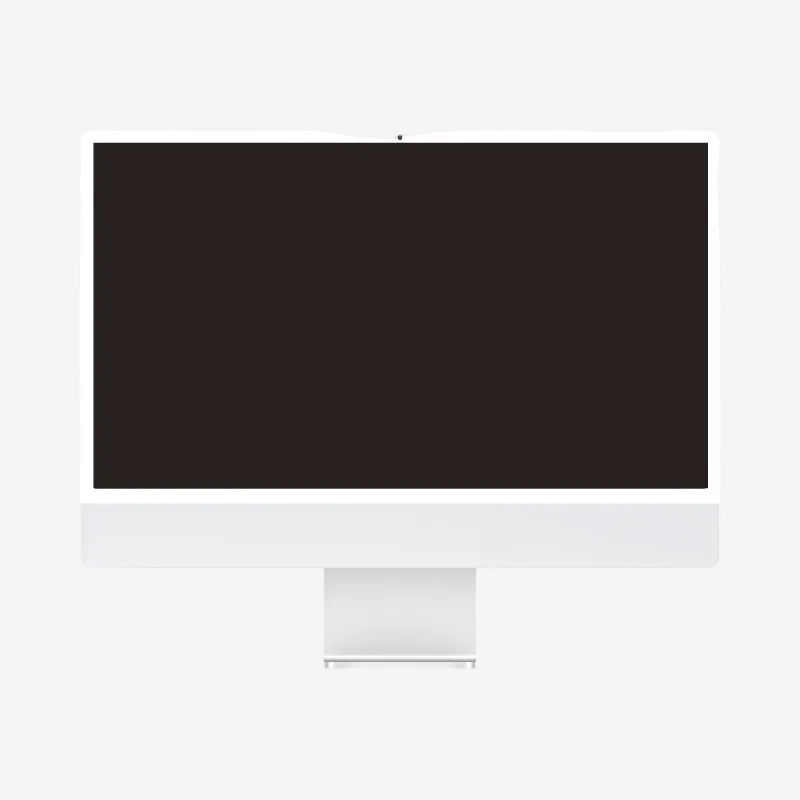
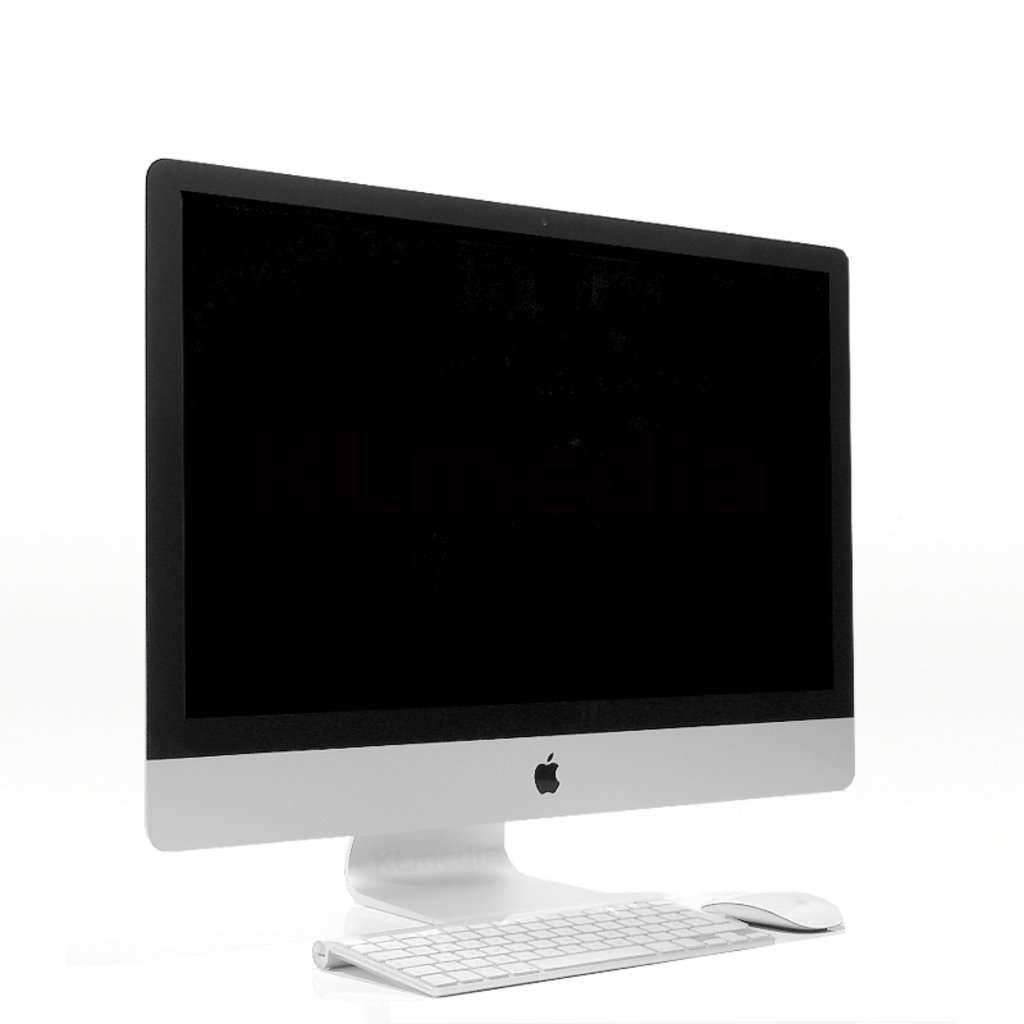
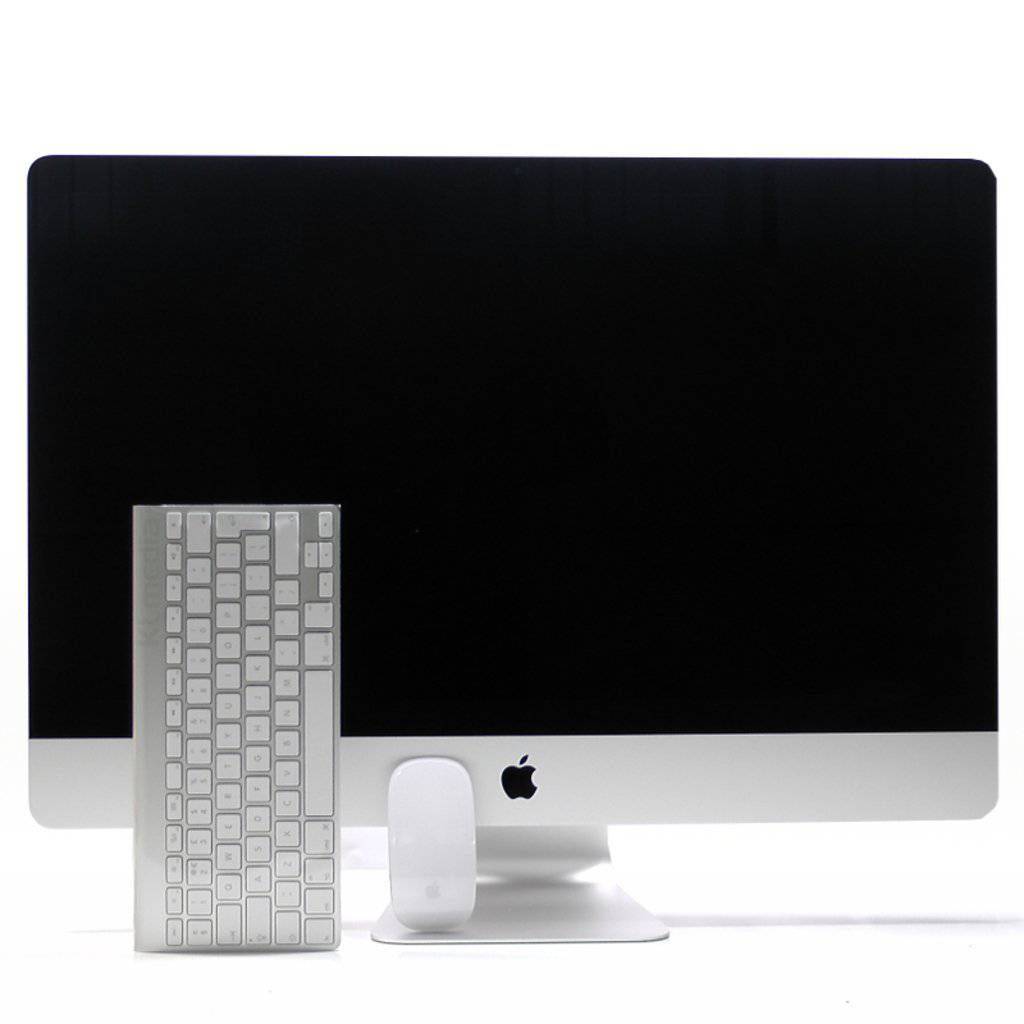
What to do if an iMac crashes when using an external monitor?
An iMac that regularly crashes or shuts down when connected to an external monitor can be frustrating—especially if you rely on a stable work environment. The causes can range from minor software issues to deeper hardware faults. In this article, we’ll show you which steps you can take to identify and fix the problem.
1. Root cause analysis: Possible reasons for the iMac crash
Before you start troubleshooting, it’s worth taking a quick look at the possible causes:
-
Incompatible or faulty adapters/cables
-
Incorrect macOS version or settings
-
Hardware conflicts when driving the monitor
-
Overheating or RAM issues
2. Step-by-step troubleshooting guide
1. Check monitor & cables
-
Use a different cable or adapter to rule out a hardware issue.
-
Test the external monitor with another device. Does it work there without any issues?
-
Pay attention to the external monitor’s resolution and refresh rate – the iMac may become unstable if the external monitor requires settings that it doesn’t properly support. If necessary, try lowering the refresh rate; excessively high refresh rates can sometimes overload the iMac’s integrated graphics card. Keep in mind that not all monitors are compatible with every iMac.
2. Reset SMC and NVRAM
These two controllers store system information and can sometimes cause errors.
SMC reset:
-
Shut down the iMac.
-
Unplug the power cord.
-
Wait 15 seconds.
-
Plug the power cord back in and wait 5 seconds.
-
Start the iMac.
NVRAM reset (Intel iMac):
-
Restart the iMac and immediately hold down ⌘ + Option + P + R.
-
Hold the keys for about 20 seconds.
3. Update software
-
Update macOS to the latest version under:
System Settings > General > Software Update -
If the problem started after an update, a rollback to the previous version might also help (backup required).
4. Remove external devices
As a test, disconnect all USB devices, docking stations or other peripherals. Third‑party devices can sometimes cause driver conflicts.
5. Use diagnostics mode
Start the iMac in Apple Diagnostics mode:
-
Shut down the iMac.
-
When turning on the Mac, hold down the D key until a diagnostics tool appears.
-
Pay attention to and make a note of error reports.
6. Test user profile
Sometimes the problem is caused by specific user settings. Create a new user account and check whether the crash occurs there as well.
7. Start in Safe Mode
-
While it’s starting up, hold down the Shift key.
-
This loads only the software that’s necessary – helpful for ruling out issues caused by background processes.
8. Contact Apple Support
If nothing helps, it may be a hardware issue – for example a defective graphics chip or RAM. In that case, Apple Support or an authorized service provider is often your only option.
Conclusion
An iMac that crashes when used with an external monitor can have many causes – but there are also many ways to fix it. It often helps to proceed systematically: first rule out the cable and monitor, then check software and settings, and finally perform more in-depth hardware checks. With a bit of patience, the problem can usually be resolved – and you can get back to working without interruptions.


Share:
iOS 18 – New features and hidden tricks
System restore on an Apple Mac – different options